
The market has anointed Chevron the big Venezuela winner. But oil majors face a long road before any payoff
President Donald Trump's call for U.S. oil companies to lead the rebuilding of Venezuela's crippled energy sector following the overthrow of Nicolás Maduro confronts a stark reality of immense financial cost and deep political instability. While the country holds the world's largest proven crude reserves, analysts warn that restoring its production to historic levels would require hundreds of billions in long-term investment and a stable legal environment that is far from guaranteed.
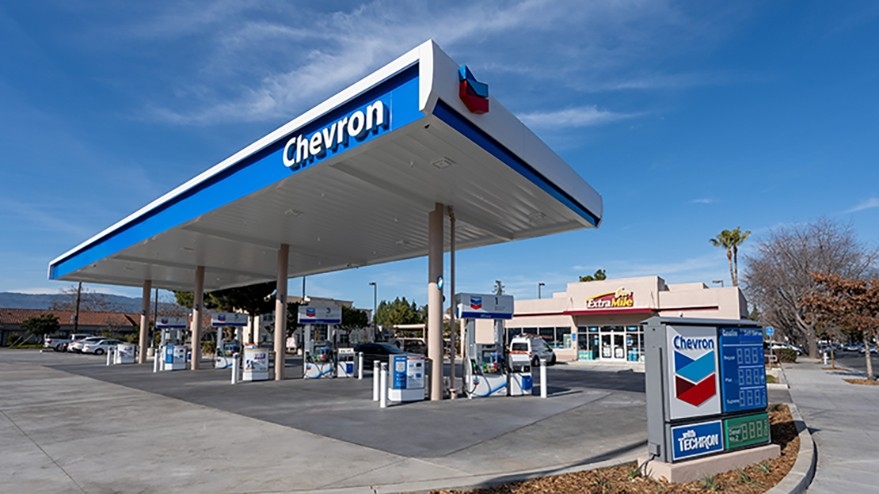
Chevron holds a unique advantage as the only U.S. major with existing operations via U.S.-licensed joint ventures, responsible for about a quarter of Venezuela's current output. Other giants like ExxonMobil and ConocoPhillips exited after asset seizures in 2007. "Chevron would be in an advantaged position to potentially scale future output," noted JPMorgan analyst Arun Jayaram. However, the scale of the challenge is monumental.
A Daunting Financial and Logistical Hurdle
Consultancy Rystad Energy estimates that merely maintaining Venezuela's current depleted production of 1.1 million barrels per day would require $53 billion in investment over 15 years. To lift output toward 3 million barrels per day by 2040, capital expenditures would soar to $183 billion. These figures represent a staggering commitment in a global market already trending toward oversupply.
"The situation in Caracas right now is anything but certain," said Bob McNally of Rapidan Energy. The immediate political vacuum and conflicting statements from U.S. officials about the future governance of Venezuela create a high-risk environment. Energy investments are 30-year projects that demand a predictable legal and fiscal regime, a condition currently absent.
The Core Question of Stability and Viability
The primary obstacle for any major investment is the lack of a durable political settlement. Analysts point to the fundamental risk of a future regime re-nationalizing assets, as happened under Hugo Chávez. Furthermore, companies must weigh the opportunity cost of deploying vast capital to a high-risk nation when other global opportunities exist.
"The real issues are, will the oil industry be able to get back into Venezuela and reverse two decades of dilapidation and neglect?" asked McNally. The path forward is less a rapid mobilization and more "a long and winding road," dependent on the establishment of lasting stability and clear, enforceable rules for foreign partners—conditions that will take considerable time to materialize.
Recent
News



Newsletter
Subscribe to our mailing list to get the new updates!

Subscribe our newsletter to stay updated
Most
Reviews
Finance
Markets

Markets
- Fri, 16 Jan 2026
Why Canada Goose (GOOS) Dipped More Than Broader Market Today
Economy
Business

- Tue, 20 Jan 2026